Behavioral Science

Trading Stress Is a Biological Event.

Loss activates the brain's threat response. Understanding this response improves discipline.

Brain Response

The Brain Reacts to Financial Risk

The brain does not distinguish between physical danger and financial threat.

Loss activates survival mechanisms. Even when sitting at a desk, the body prepares to react.

This preparation reduces decision quality.

Financial loss and physical danger trigger the same neurological response. The brain's survival system cannot tell the difference.


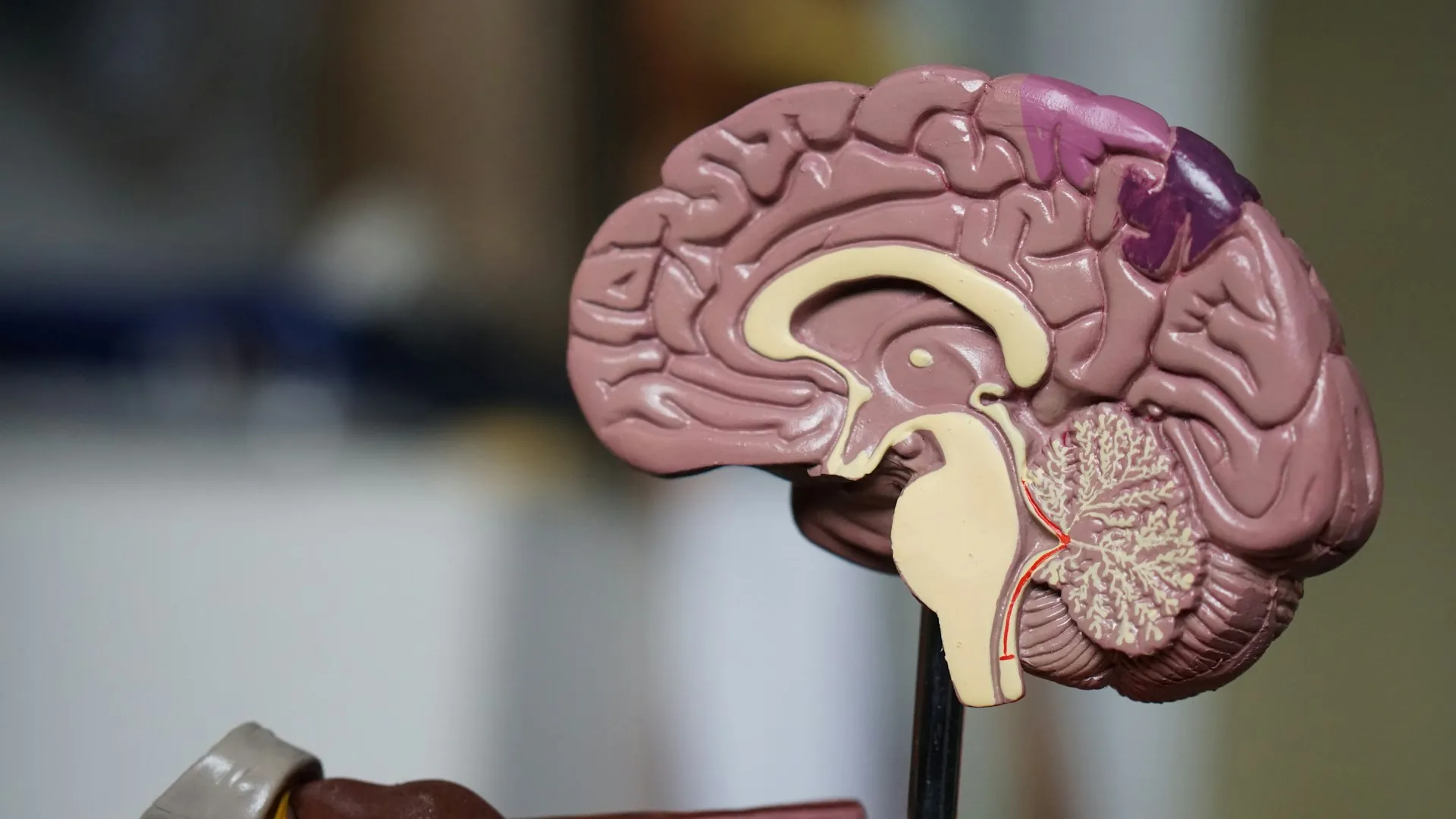
Amygdala fight or flight response diagram
The Amygdala

The Amygdala Hijack

The amygdala detects threat. When activated, it overrides logical reasoning, creating a phenomenon that directly impacts trading decisions.

What Is Amygdala Hijack?

When the amygdala detects threat, it overrides the prefrontal cortex, which is the part of the brain responsible for logical decision making.

This creates urgency. Decisions become faster, but less controlled.

In trading, this manifests as impulsive entries, premature exits, and rule violations that happen before rational thinking can intervene.

Amygdala Hijack is a major driver of impulsive behavior in trading environments.

Prefrontal Cortex

Logical reasoning, rule compliance, deliberate decisions. This is where discipline lives.

Amygdala Override

When activated under threat, it suppresses prefrontal function. Logic yields to impulse.

Emergency Response

Fight or Flight Response

When threat is detected, the body activates emergency systems designed for survival, not discipline.

Heart Rate Increases

Blood flow redirects to muscles. The body prepares for physical action, not analytical decision making.

Stress Hormones Release

Adrenaline and cortisol flood the system. These chemicals are designed for speed, not precision.

Attention Narrows

Focus locks onto the perceived threat. Broader context is ignored. Risk assessment degrades.

The body prepares to react quickly. But faster reactions mean less control. This biological preparation reduces discipline in trading environments.

Stress Chemistry

Cortisol and Stress

Cortisol is released during stress. It is the body's primary stress hormone and it has a direct impact on trading behavior.

1

Cortisol Released

Stress triggers cortisol production in the adrenal glands

2

Repeated Exposure

Multiple losses accumulate cortisol levels throughout the session

3

Fatigue Increases

High cortisol leads to cognitive fatigue and reduced patience

4

Impulsive Behavior Rises

Reduced patience increases impulsive decisions and rule violations

Calm breathing regulation stress management
Reward System

Dopamine and Reward Seeking

The brain's reward system plays an equally powerful role in trading behavior, both during wins and losses.

Winning Releases Dopamine

A successful trade creates a dopamine release. This creates pleasure. Pleasure increases the desire for repetition. Repetition increases risk appetite.

Loss Reduces Dopamine

Loss drops dopamine levels below baseline. This creates urgency to recover. That urgency drives revenge trading and impulsive re-entries.

The Reward Loop

Win and loss cycles create neurological loops that reinforce impulsive behavior, independent of trading strategy quality.

Neuroscience visualization of loss pain response
Loss Biology

Loss Feels Like Pain

Financial loss activates pain centers in the brain. This is not metaphorical. Neuroimaging studies show that financial loss activates the same regions as physical pain.

This explains the emotional intensity after a losing trade.

  • Pain creates urgency to stop the feeling
  • Urgency creates impulsive action
  • Impulsive action increases risk
  • Increased risk creates more potential loss
  • Loss aversion is biologically wired. Losses feel roughly twice as powerful as equivalent gains.

    Physiological States

    Two Nervous System Modes

    Your trading performance is directly linked to which nervous system state is active during your session.

    Stress Mode

    Sympathetic State

    Activated during loss, fear, and market volatility

    • Creates urgency and reactivity
    • Reduces decision quality
    • Increases impulsive behavior
    • Weakens rule compliance
    • Narrows analytical thinking
    Recovery Mode

    Parasympathetic State

    Activated during calm, rest, and recovery

    • Supports discipline and control
    • Improves decision quality
    • Reduces impulsive behavior
    • Strengthens rule compliance
    • Broadens analytical thinking

    Trading performance improves when calm states dominate. The goal is not to eliminate stress but to recover from it faster.

    Regulation

    Regulation Improves Discipline

    Regulation is trainable. Small recovery routines restore control. The ability to shift from sympathetic to parasympathetic states is a learnable skill.

    Breathing

    Controlled breathing activates the parasympathetic nervous system and reduces cortisol.

    Pausing

    Interrupting the impulse cycle with a structured pause prevents reactive decisions.

    Reflection

    Reviewing behavioral patterns builds awareness that reduces future reactivity.

    Next Step

    Behavior Can Be Measured.

    Discipline Pods create a structured record of behavioral patterns, making the invisible visible and the uncontrollable manageable.